Nutrition is one of the most common topics I discuss with dog owners every single day. And like most things that circulate on the internet, there is a lot of opinion mixed in with very little science.
Good nutrition is not about trends. It’s about evidence, physiology, and long-term health.
Below are the top 10 canine nutrition myths I hear most often — and what the science actually says.
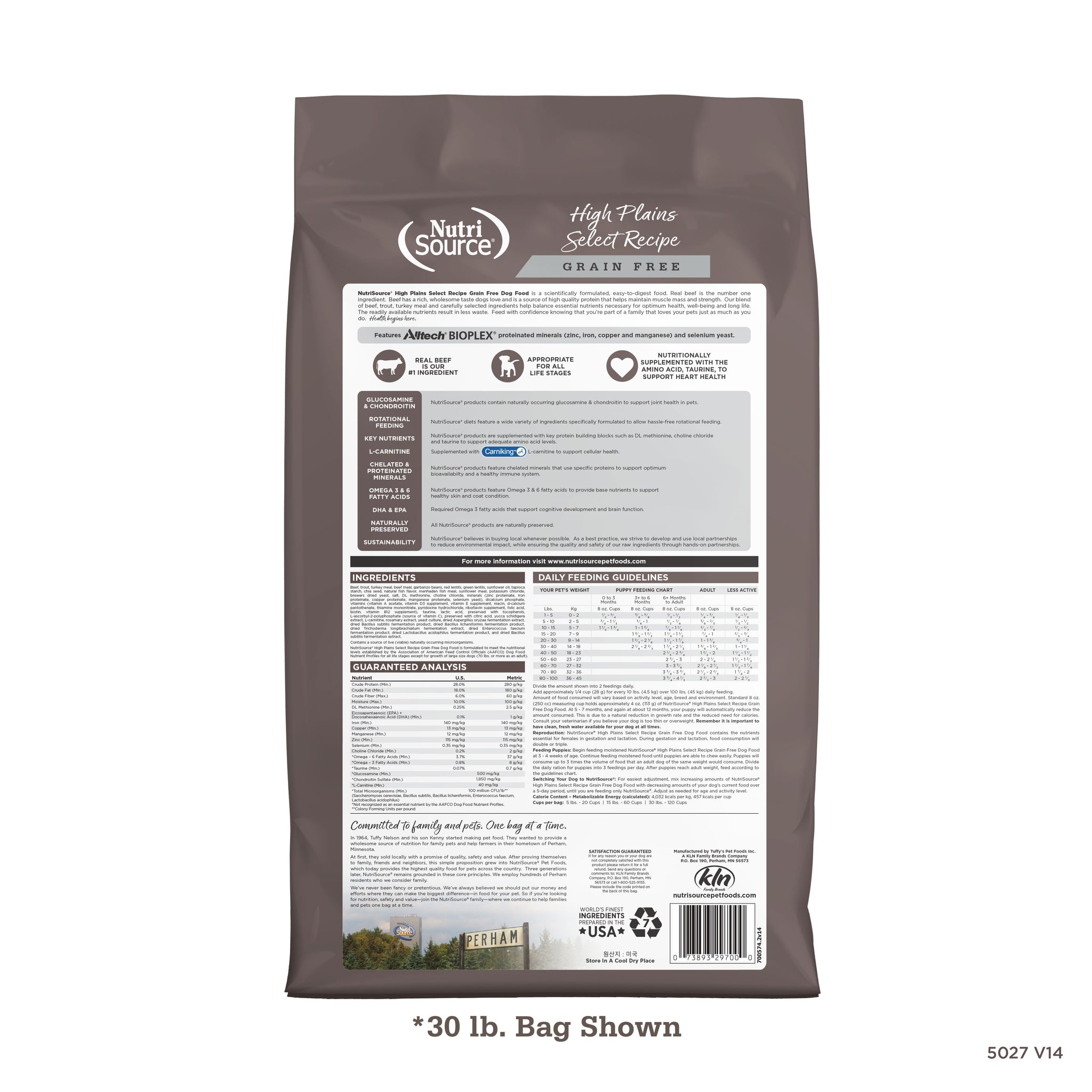
Myth #1: “Grain-Free Diets Are Always Healthier”


4
Reality: Grain-free does not mean better.
The FDA has investigated a possible link between certain grain-free diets and dilated cardiomyopathy (DCM) in dogs. While research is ongoing, boutique and exotic-ingredient diets have been disproportionately represented in reported cases.
Dogs are omnivores. Properly processed grains are highly digestible and can be excellent nutrient sources.
Learn more:
- FDA Investigation into DCM: https://www.fda.gov/animal-veterinary/animal-health-literacy/fda-investigation-potential-link-between-certain-diets-and-canine-dilated-cardiomyopathy
- American College of Veterinary Nutrition: https://acvn.org
Myth #2: “Raw Diets Are More Natural and Therefore Better”



4
Reality: “Natural” does not automatically mean safe.
Raw diets carry documented risks of bacterial contamination (Salmonella, E. coli, Listeria), both for pets and people in the household. Nutritional imbalances are also common when diets are not properly formulated.
There is currently no strong scientific evidence that raw diets provide superior health outcomes compared to properly formulated commercial diets.
Learn more:
- American Veterinary Medical Association Raw Diet Policy: https://www.avma.org/resources-tools/avma-policies/raw-or-undercooked-animal-source-protein-cat-and-dog-diets
- CDC on raw pet food safety: https://www.cdc.gov/healthypets/publications/pet-food-safety.html
Myth #3: “By-Products Are Bad Ingredients”
Reality: By-products often include nutrient-dense organ meats like liver, heart, and kidneys — which are rich in vitamins and minerals.
The term sounds unpleasant to humans, but nutritionally, these ingredients can be very valuable for dogs.
AAFCO defines ingredient standards to ensure safety and quality.
Learn more:
- Association of American Feed Control Officials (AAFCO): https://www.aafco.org
Myth #4: “Dogs Should Eat Like Wolves”


4
Reality: Dogs are not wolves.
Genetic studies show that domestic dogs have evolved alongside humans and developed enhanced ability to digest starch compared to wolves.
Modern dogs are adapted omnivores.
Learn more:
- Axelsson et al., Nature (2013) on canine starch digestion: https://www.nature.com/articles/nature11837
Myth #5: “If It’s Sold in a Pet Store, It Must Be Balanced”
Reality: Not all diets are created equal.
Look for:
- AAFCO feeding statement
- Full-time veterinary nutritionists on staff
- Published feeding trials
- Quality control measures
Companies that conduct feeding trials and invest in research generally produce more reliable nutrition.
Learn more:
- World Small Animal Veterinary Association Nutrition Guidelines: https://wsava.org/global-guidelines/global-nutrition-guidelines/
Myth #6: “High Protein Diets Cause Kidney Disease”
Reality: In healthy dogs, high-protein diets do not cause kidney disease.
Protein restriction may be recommended after kidney disease is diagnosed, but protein itself does not create kidney damage in healthy animals.
Learn more:
- American College of Veterinary Internal Medicine consensus statements: https://www.acvim.org
Myth #7: “Home-Cooked Diets Are Automatically Healthier”


4
Reality: Most home-prepared diets studied in peer-reviewed research are nutritionally incomplete when not formulated by a board-certified veterinary nutritionist.
If you wish to home cook, do so under guidance from a veterinary nutrition specialist.
Learn more:
- Tufts University Cummings Veterinary Medical Center Petfoodology Blog: https://vetnutrition.tufts.edu
Myth #8: “Corn Is Just a Cheap Filler”
Reality: Corn is a highly digestible carbohydrate source and provides essential fatty acids, protein, and antioxidants when properly processed.
The idea of “fillers” is largely a marketing term rather than a scientific one.
Learn more:
- American Academy of Veterinary Nutrition: https://aavn.org
Myth #9: “All Commercial Kibble Is ‘Processed Junk’”
Reality: Processing allows for:
- Improved digestibility
- Pathogen reduction
- Nutrient stability
- Long shelf life
Commercial diets are formulated to meet defined nutrient profiles and are tested for consistency.
Proper processing is a safety feature — not a flaw.
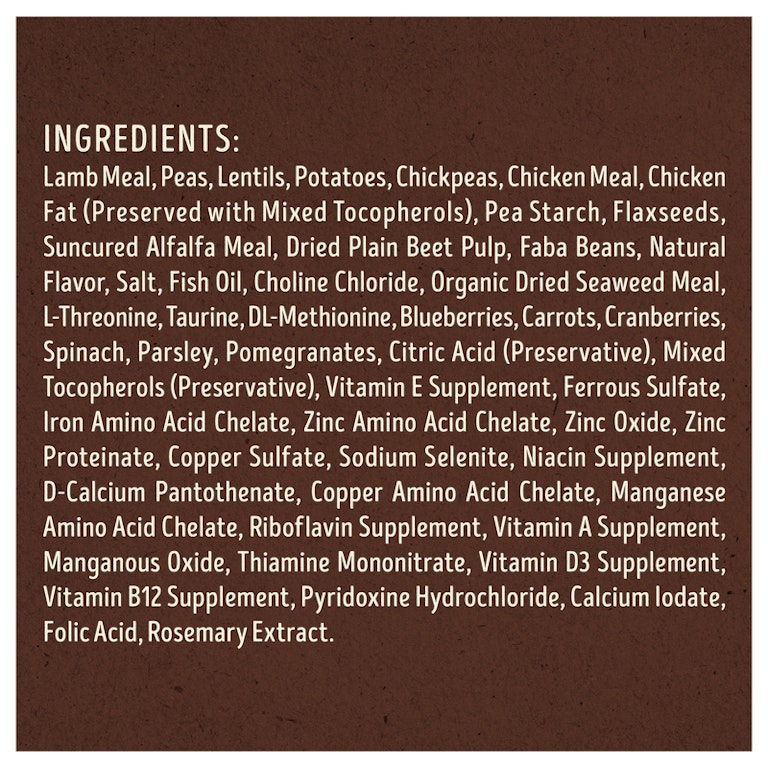
Myth #10: “The Ingredient List Tells You Everything”


4
Reality: Ingredient lists are ordered by weight before cooking. They do not tell you:
- Nutrient bioavailability
- Digestibility
- Formulation expertise
- Feeding trial results
Nutrition is about the final nutrient profile — not just how the list looks to us.
What I Recommend to Clients
When choosing a diet, I advise looking for:
- A company that employs veterinary nutritionists
- Published research and feeding trials
- Transparent quality control standards
- A history of safety and recall transparency
Nutrition is long-term medicine. It deserves thoughtful decisions based on science, not marketing.
If you ever want to review your dog’s current diet, bring the bag or can (or send us the label). I’m happy to walk through it with you.
Because when it comes to feeding your dog, good science beats good advertising every time.