Protecting Them Early — Protecting Them Right
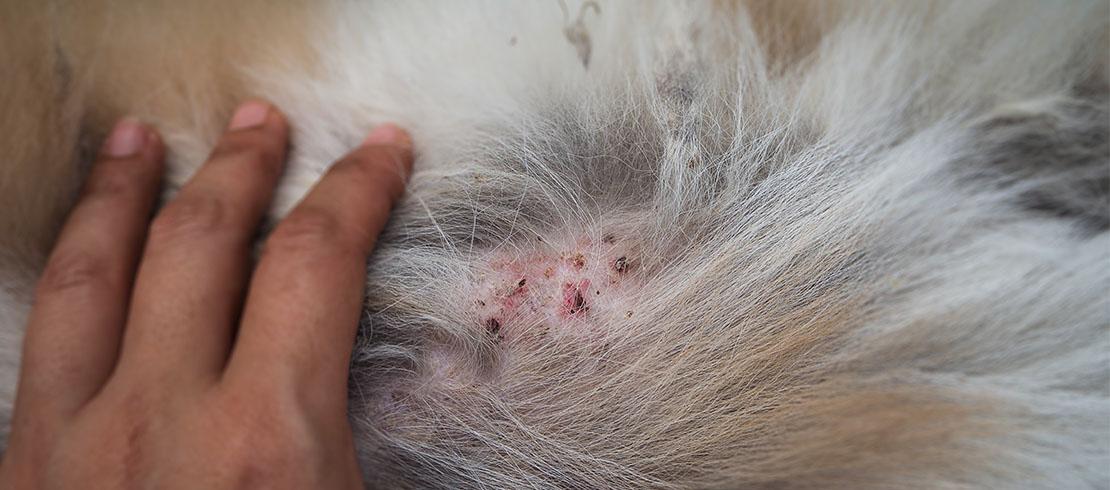
Puppies are curious, low-to-the-ground explorers. Unfortunately, that makes them prime targets for fleas and ticks — even here in upstate New York.
Fleas can cause:
- Skin irritation and allergic dermatitis
- Anemia (especially in small puppies)
- Tapeworm transmission
Ticks can transmit:
- Lyme disease
- Anaplasmosis
- Ehrlichiosis
- Babesiosis
The good news? We have safe, effective, veterinary-approved options for puppies. Below is a practical overview of commonly used preventatives and their safety profiles.
Vectra 3D


4
What It Is
A monthly topical medication applied to the skin.
Active Ingredients
- Dinotefuran
- Permethrin
- Pyriproxyfen
What It Covers
- Fleas (adult fleas and eggs)
- Ticks
- Mosquitoes
- Repels biting flies
Approved For
- Puppies 7 weeks of age and older
- Dogs only (NOT safe for cats due to permethrin)
Safety Notes
- Permethrin-containing products are very safe in dogs when used correctly.
- Toxic to cats — avoid contact in multi-pet households.
- Rare side effects may include mild skin irritation or transient lethargy.
Best For: Owners who prefer a topical repellent product and want mosquito coverage as well.
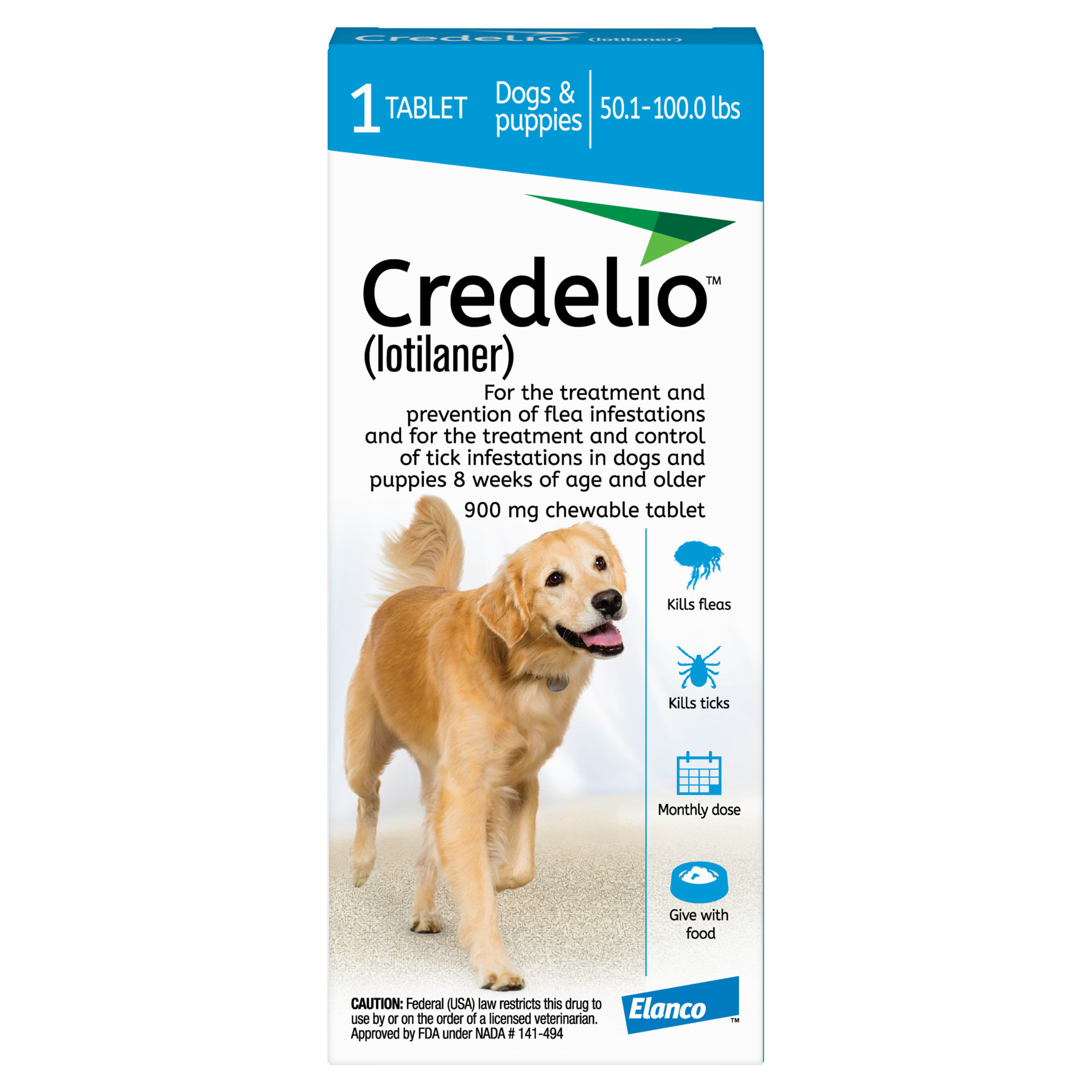
Credelio

4
What It Is
A monthly oral chewable tablet.
Active Ingredient
- Lotilaner (an isoxazoline class medication)
What It Covers
- Fleas
- Ticks
Approved For
- Puppies 8 weeks of age and older
- Minimum weight requirement applies (check dosing guidelines)
Safety Data
Isoxazolines have been extensively studied and are widely used in veterinary medicine.
The FDA has issued a class advisory noting that isoxazolines may be associated with rare neurologic events (such as tremors or seizures), primarily in dogs with a prior seizure history.
For the vast majority of healthy puppies, these medications are well tolerated.
Best For: Puppies that resist topical products or households wanting easy monthly dosing.
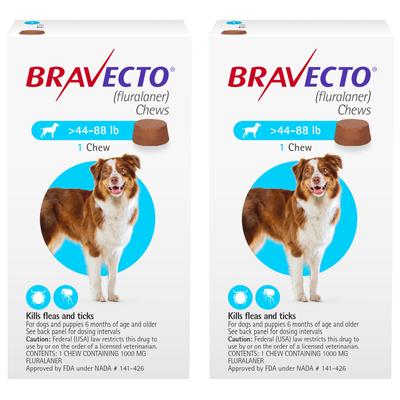
Bravecto

4
What It Is
An oral chewable tablet given every 12 weeks (depending on tick species in your area).
Active Ingredient
- Fluralaner (isoxazoline class)
What It Covers
- Fleas
- Ticks
Approved For
- Puppies 6 months of age and older (chewable form)
Safety Data
- Similar safety profile to other isoxazolines.
- Rare neurologic side effects reported.
- Long duration means fewer doses per year.
Best For: Owners who prefer extended-duration protection and fewer dosing reminders.
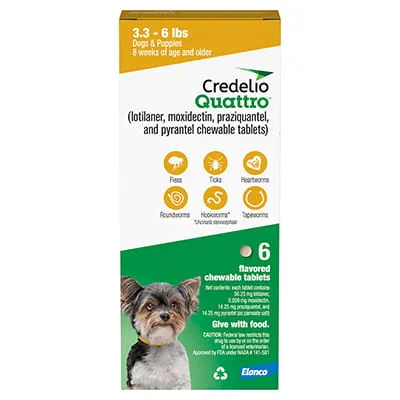
Credelio Quattro
4
What It Is
A monthly oral combination chewable.
Active Ingredients
- Lotilaner (flea & tick control)
- Milbemycin oxime (intestinal parasites)
- Moxidectin (heartworm prevention)
- Praziquantel (tapeworm treatment)
What It Covers
- Fleas
- Ticks
- Heartworm disease
- Roundworms
- Hookworms
- Tapeworms
Approved For
- Puppies 8 weeks of age and older
- Minimum weight requirement applies
Safety Data
- Combines an isoxazoline with established deworming and heartworm prevention medications.
- Safety studies show strong tolerability when used as directed.
- As with all heartworm preventatives, puppies should be tested per veterinary recommendations before starting.
Best For: Owners who prefer an all-in-one monthly parasite protection plan.
Isoxazoline Safety — What Owners Should Know
Both Credelio and Bravecto (and the flea/tick component of Credelio Quattro) belong to the isoxazoline class.
The FDA notes that neurologic side effects are rare but possible, particularly in dogs with a history of seizures.
In clinical practice, the vast majority of dogs tolerate these medications very well. The risk of tick-borne disease in our region typically outweighs the very small risk of side effects in healthy puppies.
If your puppy has:
- A seizure history
- Neurologic abnormalities
- Known medication sensitivities
We will tailor recommendations accordingly.
Choosing the Right Product for Your Puppy
There is no “one-size-fits-all” answer.
Consider:
- Age
- Weight
- Lifestyle (hiking vs. mostly indoors)
- Multi-pet household (especially cats)
- Owner preference (topical vs. oral)
- Desire for combination protection
Why Early Prevention Matters
Ticks don’t wait until a dog is fully grown. Starting prevention at the appropriate age:
- Reduces risk of Lyme and other tick-borne diseases
- Prevents flea infestations in your home
- Protects developing immune systems
- Establishes a healthy routine early
Prevention is almost always safer, simpler, and more affordable than treatment.
If you’re unsure which option is best for your puppy, bring your questions to your next visit. We’re happy to review your puppy’s lifestyle and build a prevention plan that fits your family.
Because protecting a puppy isn’t about reacting to problems — it’s about staying one step ahead of them.