Accurate Testing Starts With a Good Sample
4
Fecal testing is one of the simplest — and most valuable — diagnostic tools in veterinary medicine. It allows us to detect intestinal parasites like roundworms, hookworms, whipworms, Giardia, and Coccidia before they cause significant illness.
But here’s the truth:
A fecal test is only as good as the sample provided.
Proper collection, storage, and labeling ensure we get accurate results and avoid false negatives or delays in diagnosis.
Why Fecal Testing Matters
Even healthy-appearing dogs and cats can carry intestinal parasites. Many of these parasites:
- Can cause diarrhea or poor weight gain
- Are common in puppies and kittens
- Can be transmitted to people
Routine fecal testing — especially during the first year of life and annually thereafter — is simply good preventive medicine.
Step 1: Proper Collection
✔ Use a Fresh Sample
- Ideally collected within 12 hours of your appointment
- The fresher the sample, the more accurate the results
- For best results, bring a sample from the same day
✔ How Much Do We Need?
- About 1–2 teaspoons (roughly the size of a walnut)
- More is not better — just enough to test
✔ How to Collect It
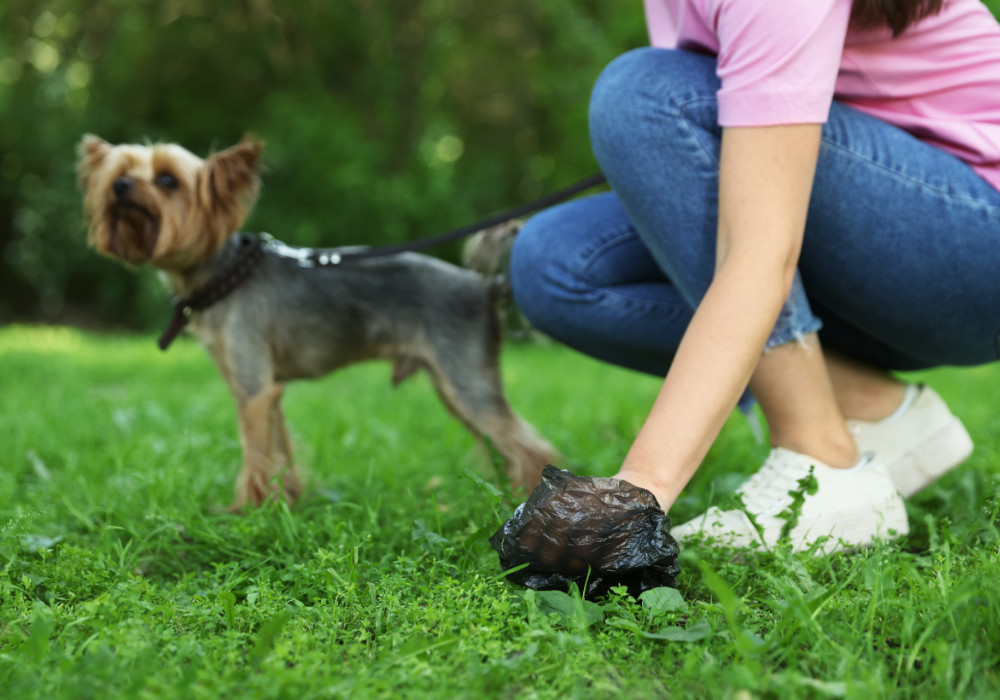
- Wear disposable gloves or use a clean bag
- Avoid scooping soil, grass, litter, or debris
- For cats:
- Scoop from the litter box as soon as possible
- Avoid heavily urine-soaked litter if you can
✔ Multiple Pets?
- Collect separate samples for each pet
- Do not combine samples unless specifically instructed
Step 2: Proper Storage
Once collected:
- Place the sample in a sealed plastic bag or clean container
- Remove excess air if using a bag
- Store in the refrigerator
- Do not freeze
- Keep away from food (sealed inside a bag or container is fine)
Refrigeration slows parasite egg development and preserves diagnostic accuracy.
If more than 24 hours pass, the sample may no longer be reliable — and we may request a new one.
Step 3: Proper Labeling
This is one of the most commonly overlooked steps.
Please clearly label the container with:
- Pet’s name
- Owner’s last name
- Date and time collected
If you have multiple pets, labeling prevents confusion and ensures the correct pet receives treatment.
A simple piece of tape and a marker works perfectly.
What Happens After You Drop It Off?
At the clinic, we:
- Perform a fecal flotation to detect parasite eggs
- May perform antigen testing for parasites like Giardia
- Contact you with results and, if needed, treatment recommendations
If parasites are detected, we’ll prescribe the appropriate medication.
Common Mistakes to Avoid
- Bringing in a dried-out sample from several days ago
- Leaving the sample at room temperature overnight
- Forgetting to label the container
- Bringing in litter clumps instead of stool
When in doubt, just ask — we’re happy to guide you.
A Simple Habit That Protects Your Pet
Routine fecal testing is inexpensive, non-invasive, and incredibly valuable. It allows us to catch problems early — often before symptoms even appear.
Good preventive medicine isn’t complicated. It’s consistent.
If your pet is due for a fecal exam, bring a fresh sample to your next appointment — and we’ll take care of the rest.